The Ultimate Checklist for Buying ProGrind Land Clearing Equipment
A practical land clearing purchase guide to help contractors make informed decisions before investing in professional equipment.
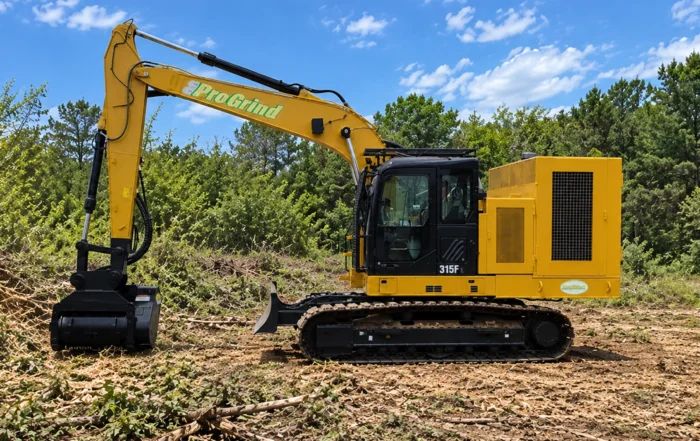
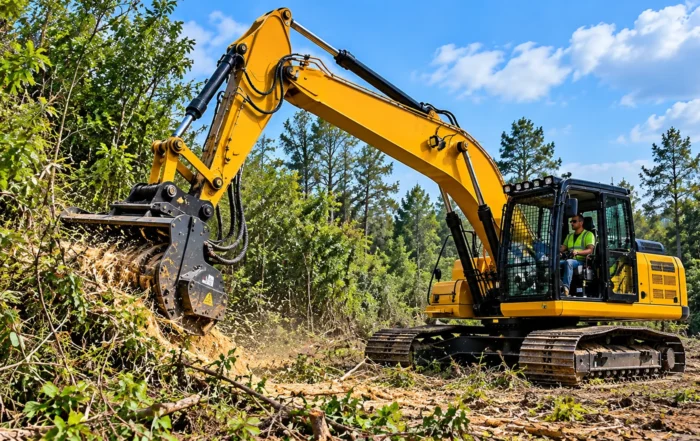
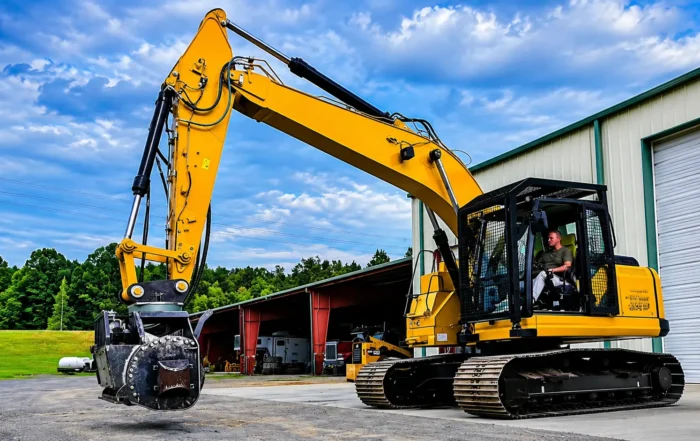
Investing in professional land clearing equipment is not a decision most contractors make lightly. Equipment purchases represent a significant investment, and the wrong choice can affect productivity, maintenance costs, and overall profitability for years to come. That’s especially true when buying specialized attachments like ProGrind equipment, which are designed as attachments to hydraulic excavators and handle some of the toughest land clearing jobs in the industry.
Whether you are clearing timber, preparing construction sites, maintaining municipal right-of-ways, or removing stumps and heavy brush, selecting the right attachment matters. With so many factors to consider—machine compatibility, cutting power, durability, and maintenance requirements—it helps to follow a structured buying checklist before making your final decision.
This land clearing purchase guide walks through the most important questions contractors should ask before investing in any land clearing equipment.
Why a Checklist Matters When Buying Land Clearing Equipment
Purchasing land clearing attachments is more than just comparing models or price tags. Contractors need equipment that can withstand difficult conditions while delivering consistent performance.
Without a structured evaluation process, buyers may encounter common pitfalls such as:
- Purchasing equipment that doesn’t properly match their excavator’s hydraulic capacity
- Choosing lower-priced equipment that wears out quickly under heavy use
- Underestimating maintenance requirements and long-term operating costs
A well-designed checklist helps eliminate guesswork. It ensures that buyers evaluate equipment based on performance, reliability, and long-term value, rather than focusing only on the initial purchase price.
Step #1: Confirm Compatibility With Your Excavator
Because equipment is designed as an attachment for hydraulic excavators, compatibility is the first thing to verify before making a purchase.
Key factors to review include:
Hydraulic capacity
Your excavator must provide sufficient hydraulic flow and pressure to power the attachment effectively—unless the attachment has a dedicated power source. If the machine cannot deliver the required output, performance will suffer and internal components may wear prematurely.
Machine weight class
Mulcher and grinder attachments perform best when matched to excavators within the appropriate weight range. A machine that is too small may struggle with stability, while larger machines can maximize cutting efficiency.
Mounting configuration
Buyers should confirm compatibility with quick couplers, mounting brackets, and attachment interfaces to ensure the equipment can be installed safely and securely.
One advantage often associated with ProGrind systems is their excavator-agnostic design, which allows contractors with mixed fleets to integrate attachments across different machines. This is a huge advantage to best utilize any appropriately-sized equipment already in your fleet.
Step #2: Evaluate Your Primary Land Clearing Applications
The next step in the guide is understanding how the equipment will actually be used.
Different projects place different demands on land clearing tools. Some contractors may focus primarily on forestry work, while others handle commercial site preparation or municipal vegetation management.
Common applications for ProGrind equipment include:
- Forestry clearing and timber operations
- Commercial construction site preparation
- Municipal trail and right-of-way maintenance
- Agricultural land clearing and field restoration
- Tree stump removal and brush management
Defining the primary job types helps buyers determine the most appropriate model and configuration for their work.
Step #3: Assess Cutting Power and Performance
In large-scale land clearing projects, power directly affects productivity. Equipment that cuts faster allows crews to complete projects sooner and move on to the next job.
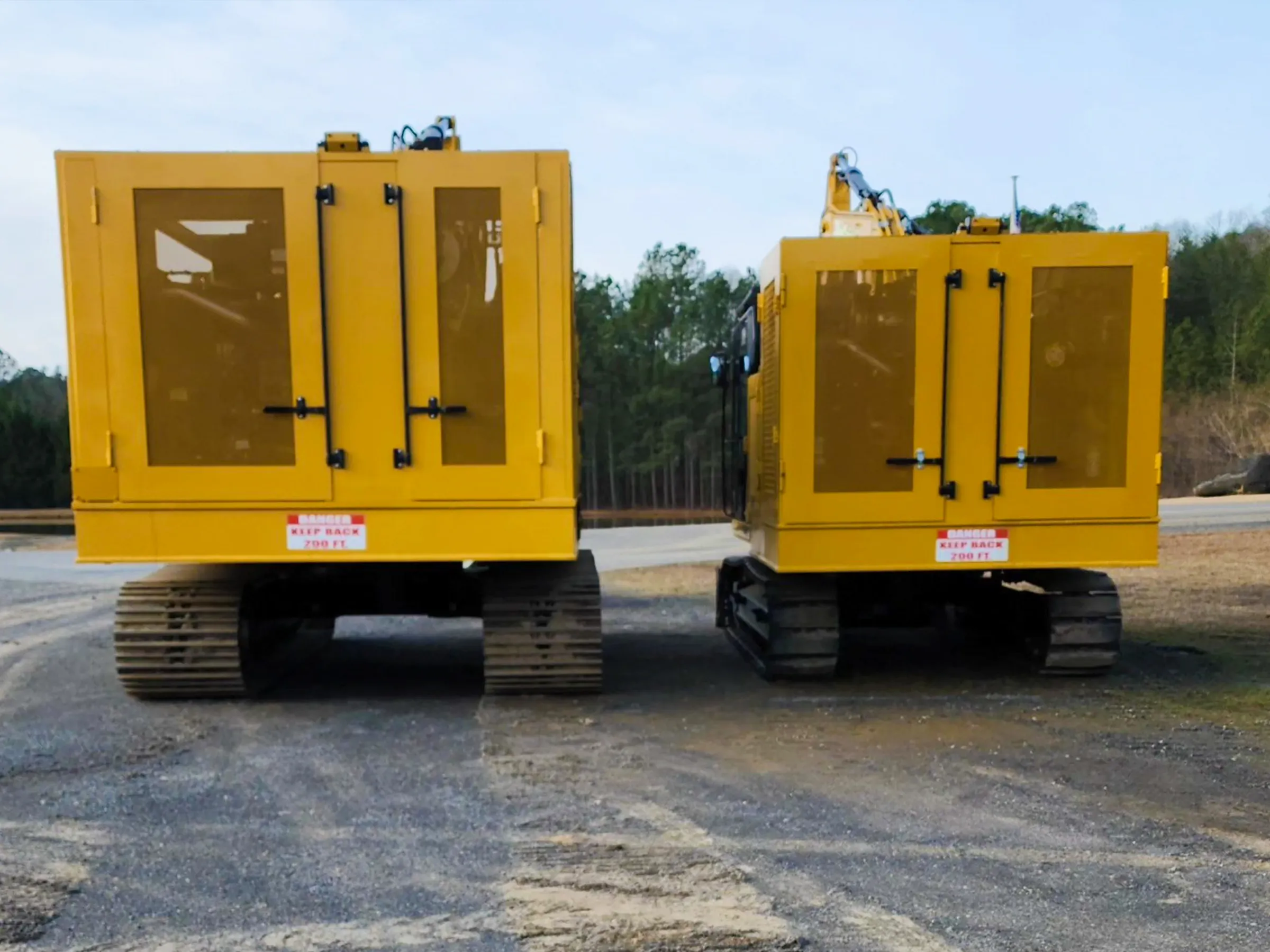
One of the defining characteristics of ProGrind equipment is that their attachments use dedicated auxiliary power units—typically powered by a 460-hp Cummins diesel engine—to drive the mulching drum and hydraulic system. This design allows the attachment to operate independently of the excavator’s hydraulic output, delivering consistent cutting performance while reducing strain on the host machine.
When evaluating performance, buyers should consider:
Auxiliary power system performance
A dedicated power source allows the mulcher or grinder to operate at full cutting strength regardless of the excavator’s hydraulic capacity. This improves efficiency and helps maintain consistent performance during demanding land clearing operations.
Drum design and cutting configuration
Aggressive drum patterns and well-designed cutting systems improve mulching efficiency when processing dense vegetation, brush, and trees.
Cutting tooth durability
High-quality teeth—especially reversible designs—can extend service life while maintaining strong cutting performance throughout long projects.
While higher performance equipment may fall into a higher price range, the additional productivity often offsets the initial investment through faster job completion and reduced downtime.
Step #4: Examine Build Quality and Durability
Land clearing attachments operate in some of the toughest environments imaginable. Rocks, roots, and heavy timber can place enormous stress on equipment components.
Before purchasing, inspect features such as:
Heavy-duty steel construction
Durable steel frames and housings provide the structural integrity needed for demanding clearing jobs.
Reinforced drum housings
Protective housings help prevent debris damage and maintain proper drum alignment.
High-quality bearings and seals
Well-engineered internal components improve reliability and extend equipment lifespan.
Protective shielding
Guards and shields protect key mechanical systems from debris impact.
Although well-built equipment may fall within a medium-to-higher price range, durability can dramatically reduce overall long-term repair and maintenance costs.
Step #5: Understand Maintenance Requirements
Every piece of heavy equipment requires maintenance, and land clearing attachments are no exception. Before purchasing, contractors should consider:
Accessibility of grease points
Daily lubrication is critical to protecting bearings and moving components.
Ease of replacing cutting teeth
Quick tooth replacement helps reduce downtime during active jobs.
Hydraulic system service requirements
Routine inspections and fluid maintenance help ensure consistent performance.
Engine maintenance (for auxiliary power units)
Attachments with dedicated engines require scheduled servicing to maintain reliability.
Proper equipment maintenance helps extend the life of land clearing tools while minimizing costly repairs.
Step #6: Consider Operational Efficiency
Efficiency plays a major role in determining the profitability of land clearing operations.
Equipment that works faster and more effectively can help crews complete projects sooner and increase daily productivity.
When comparing models, buyers should evaluate:
Cutting speed
High-performance mulching systems allow operators to process dense vegetation more quickly.
Ability to handle larger material
Attachments capable of grinding larger trees and stumps reduce the need for additional equipment.
Single-pass clearing capability
Equipment that processes brush, limbs, and stumps in one pass can significantly improve workflow.
Greater efficiency often translates directly into increased revenue for contractors.
Step #7: Evaluate Technology and Innovation
Modern technology in land clearing continues to improve equipment performance and reliability.
Features to look for may include:
- Advanced drum and tooth designs that improve cutting efficiency
- Dedicated auxiliary power systems that deliver consistent cutting performance
- Electronic monitoring systems that track performance and maintenance needs
- Improved cooling systems that protect internal components
Many contractors find that ProGrind innovation focuses on practical performance improvements that benefit real-world operations.
Step #8: Review Service, Parts Availability, and Support
Even the best equipment occasionally requires replacement parts or technical assistance. That’s why manufacturer support is a key part of the buying checklist.
Buyers should consider:
Replacement part availability
Fast access to cutting teeth, bearings, and other wear parts helps minimize downtime.
Technical support
Reliable manufacturer support can assist with troubleshooting and service guidance.
Dealer service networks
Local dealers or service partners can provide maintenance assistance when needed.
Operator training resources
Proper training helps ensure operators use equipment safely and effectively.
Strong support services can make a significant difference throughout the life of the equipment.
Step #9: Balance Price With Long-Term Value
Price is always part of the purchasing decision, but it should never be the only factor.
Land clearing attachments can range from lower-priced options to premium professional equipment. The key is understanding the long-term value of the investment.
Buyers should evaluate:
- Expected lifespan of the equipment
- Maintenance and operating costs
- Productivity improvements
- Fuel efficiency and operational performance
In many cases, equipment with a slightly higher upfront price delivers greater long-term value through improved productivity, reliability and resale value.
Step #10: Talk With Experienced Operators
Before finalizing a purchase decision, it often helps to speak with contractors who have firsthand experience using similar equipment.
Sources of feedback may include:
- Contractor testimonials
- Equipment demonstrations
- Industry forums or professional networks
- Field trials or equipment demos
Real-world insights from experienced operators can confirm whether the equipment performs as expected in demanding jobsite conditions.
Making a Smart Investment in ProGrind Equipment
Choosing the right land clearing attachment requires careful evaluation of many factors—from compatibility and cutting power to durability and maintenance support.
By following a structured buying checklist, contractors can make more informed decisions and avoid costly purchasing mistakes.
For professionals who rely on powerful, dependable equipment, ProGrind equipment offers a solution designed to meet the challenges of modern land clearing operations. When properly selected and maintained, the right attachment can improve efficiency, extend equipment life, and help contractors operate more profitably.
Your Call to Action
When considering a land clearing attachment for your excavator, ProGrind can help you choose the right equipment for your operation.
Learn more about available models, request product information, or speak with a ProGrind representative about your land clearing needs.
The right equipment doesn’t just clear land—it helps build a more productive and profitable business.
Recent Posts