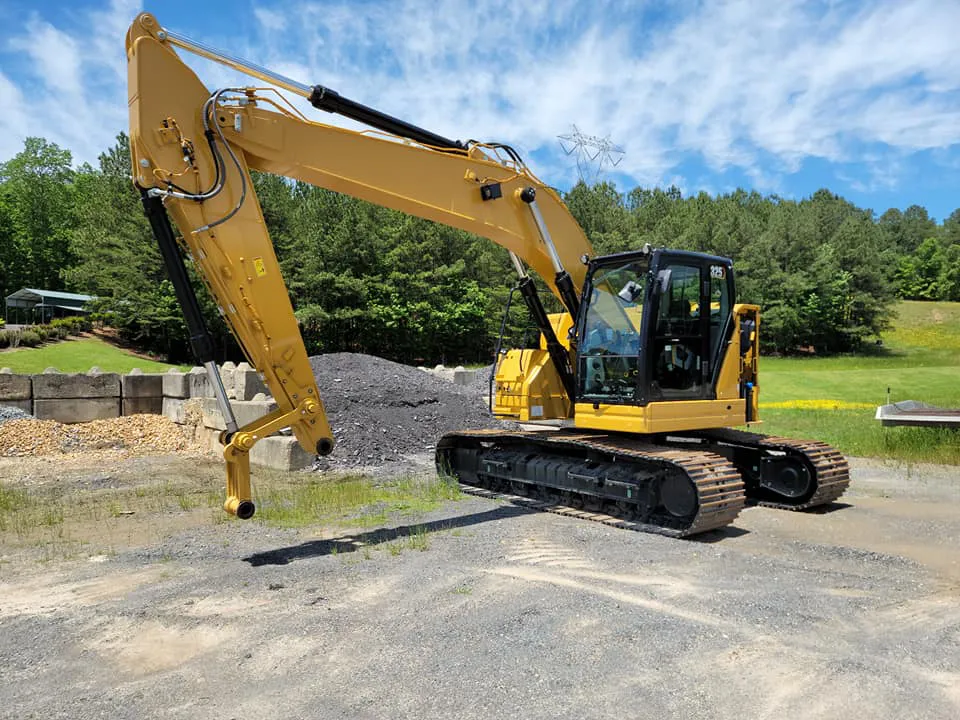
Expert Tips for Maintaining Your Land Clearing Equipment
Maximize Performance and Lifespan with These ProGrind Maintenance Best Practices
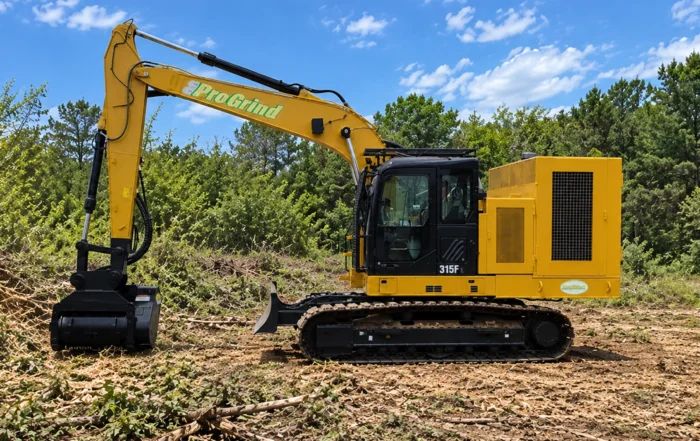
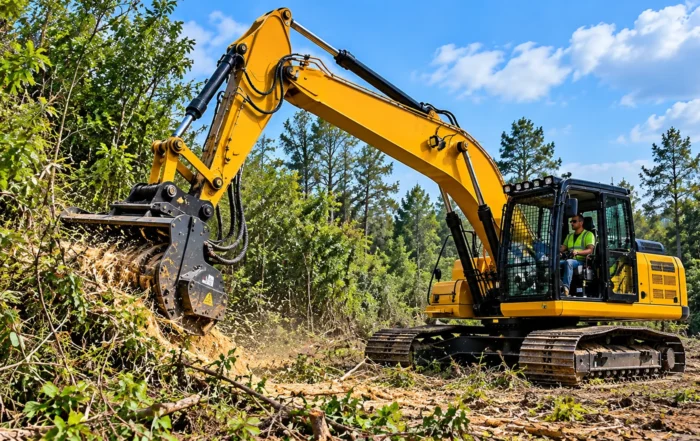
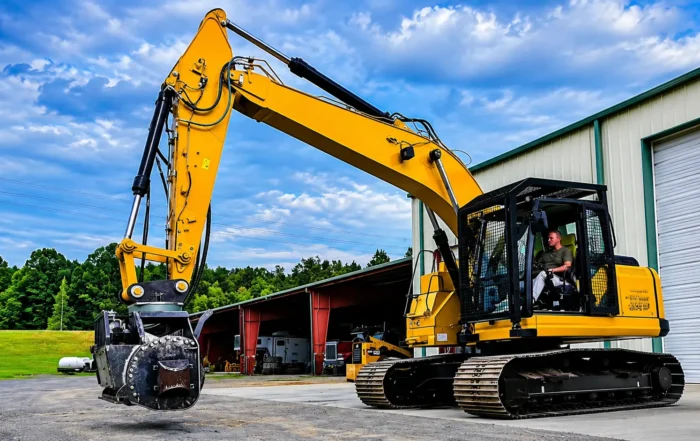
When you’re operating heavy-duty land clearing tools—especially attachments like ProGrind’s excavator-mounted grinder/mulcher heads—maintenance isn’t optional. It’s essential!
These machines face some of the harshest jobsite conditions: flying debris, dust, rocks, dense timber, and relentless daily use. And yet, with the right upkeep, your investment in ProGrind equipment can pay dividends for years to come.
Done properly, consistent maintenance doesn’t just prevent problems—it pays for itself. Fewer breakdowns, faster performance, and longer equipment life all add up to better margins and more uptime for your team.
Why Maintenance Matters for Land Clearing Attachments
ProGrind’s attachments are designed to tackle the toughest clearing jobs—but even the most rugged tools need regular attention.
Without proper care, your grinder or mulcher may:
- Suffer avoidable wear-and-tear
This can lead to early failure of key components like bearings, teeth, or drive systems—raising repair costs significantly. - Lose cutting efficiency
Dull teeth or loose components can reduce cutting speed, forcing multiple passes and extending job time. - Suffer costly downtime and repairs
Unexpected breakdowns can delay projects and hurt your bottom line, especially if replacement parts or field repairs are needed. - Cause stress on the host excavator’s hydraulic system
Poor maintenance increases friction and resistance, making your primary machine work harder than necessary.
With proactive maintenance, however, you’ll see a longer lifespan, lower operating costs, and consistently strong jobsite performance.
Tip #1: Follow a Regular Inspection Routine
Before and after each use, take five minutes to walk around the equipment. Look for:
- Cracked or worn cutting teeth
Worn teeth compromise cutting efficiency and place additional strain on the drum and hydraulic motor. - Loose bolts, guards, or hydraulic lines
Fasteners that loosen during operation can lead to vibration, misalignment, and premature wear. - Leaking fittings or visible hose damage
Hydraulic fluid loss reduces pressure and increases the chance of system failure or contamination. - Unusual wear or vibration
Early warning signs like wobble, noise, or uneven wear patterns often indicate deeper mechanical issues.
Logging your inspections creates a record that can help with troubleshooting, warranty claims, and planning preventive service.
Tip #2: Keep Cutting Teeth Sharp and Rotated
ProGrind’s grinder heads use reversible cutting teeth, which means each tooth has two working edges.
- When one edge begins to dull or wear, flip it to the unused side to restore full performance.
This simple action can double the life of each tooth and help maintain optimal cutting speed and consistency. - Dull teeth don’t just cut more slowly—they can strain the drum and drive system, accelerating wear on the entire attachment.
Overworked components also run hotter and may require more frequent service or early replacement.
Tip #3: Maintain the Hydraulic System
Because ProGrind attachments rely on hydraulic drive systems, routine hydraulic maintenance is vital.
- Check hoses and fittings for leaks, rubbing, or fraying.
Small leaks or abrasions can quickly escalate to full-blown hydraulic failure under pressure. - Clean and cap quick-connect couplers when not in use to prevent contamination.
Dirt and grit in the system can damage internal seals and reduce hydraulic performance. - Daily, monitor and top off fluid levels as needed, and replace filters at the intervals recommended in your operator manual.
Fresh fluid and clean filters keep internal components lubricated and running smoothly.
Clean hydraulic systems protect your investment, prevent power loss, and avoid costly downtime caused by fluid contamination.
Tip #4: Grease Bearings and Moving Parts Daily
Lubrication is one of the simplest yet most critical steps you can take. On an active jobsite, this should be done at least once per day.
- Apply grease to drum bearings, pivot points, and shaft seals using the correct spec grease.
Proper lubrication reduces friction, minimizes wear, and prevents overheating. - Follow the equipment’s lube chart and use a quality grease gun.
Skimping on frequency or using the wrong grease can lead to premature part failure and downtime.
Tip #5: Clean the Attachment After Every Job
A quick cleanup after each use keeps your ProGrind equipment in working order and makes next-day startup faster.
- Remove mud, sap, and debris from the drum, teeth, and housing.
Buildup adds unnecessary weight and can throw the drum off balance, leading to vibration or component stress. - If you use a pressure washer, do so carefully—avoid directing water into electrical systems or sealed components.
High-pressure water in the wrong place can damage seals or introduce moisture into sensitive areas. - Cleaning prevents corrosion, allows you to spot damage early, and improves safety for operators and techs.
A clean machine is easier to inspect and helps extend the useful life of parts and surfaces. - Pro Tip: operators appreciate clean equipment, operate it more carefully and treat it with pride.
Tip #6: Monitor Engine Health (If Using a Powered Unit)
Some ProGrind grinder/mulcher heads include a dedicated 460 hp Cummins diesel engine as an auxiliary power unit.
- Check oil and coolant levels daily.
Running low on either can cause overheating, poor performance, or engine damage. - Replace filters and fluids on schedule.
Following factory intervals helps prevent clogging, pressure drops, and premature engine wear. - Pay attention to warning indicators or electronic diagnostics if equipped.
Alerts are early warnings—ignoring them can result in major repair costs or field failure.
A healthy engine ensures your cutting head performs at full strength without overburdening the excavator.
Tip #7: Use ProGrind-Approved Parts and Fluids
Generic replacement parts may be cheaper upfront, but they can cost you far more in the long run.
- Use OEM cutting teeth, seals, filters, and hoses to maintain compatibility and peak performance.
ProGrind-designed parts are engineered to handle the specific loads and RPMs of their systems. - Off-brand parts may void your warranty or fail under pressure.
Inferior materials or poor tolerances can lead to early failures or unsafe operation.
Tip #8: Train Operators to Spot Early Warning Signs
The best-maintained equipment can still fail if it’s misused.
- Make sure every operator knows how to inspect, grease, and monitor the equipment.
Even basic training on daily checks can prevent serious problems and catch wear before it escalates. - Teach them to listen for unusual noises, changes in drum speed, or vibration.
These symptoms often indicate worn bearings, loose fasteners, or failing hydraulic components. - Reinforce safe shutdown procedures and proper warm-up times.
How equipment is started and stopped each day can significantly impact its overall lifespan.
Well-trained operators are your first line of defense when it comes to extending your equipment’s lifespan.
Conclusion: Maintenance Is an Investment—Not a Chore
When it comes to ProGrind maintenance, a little effort goes a long way. By building these habits into your team’s daily routine, you’ll:
- Extend the life of your land clearing tools
Well-maintained attachments can remain productive for years beyond their expected life cycle. - Avoid unexpected breakdowns
Fewer surprises in the field mean smoother project schedules and happier clients. - Save money on emergency repairs
Preventive care is always cheaper than emergency part replacements or field service calls. - Keep your projects on schedule and your clients happy
Time saved on maintenance is time earned in profit, project momentum, and crew confidence.
Consistent maintenance really does pay for itself—in uptime, performance, and peace of mind.
Call to Action
Want to keep your ProGrind system running strong for years?
Download our ProGrind Maintenance Checklist
Order OEM parts and support through ProGrindSystems.com
Or call (706) 234-6163 to speak directly with a service expert.
ProGrind: Built to clear. Maintained to last.
Recent Posts